Whether you are managing a hotel, a restaurant, an office block or even your local park down the road, it is imperative to practise and maintain impeccable hygiene and sanitation practises in all public spaces. Public spaces can be considered one of the toughest places to keep clean, as you have very little control over how many people access your space, and how these individuals choose to spend their time in this space.
In light of the continued global development of the current COVID-19 pandemic, we address a world-wide necessity to practise regular and safe hygiene practises. As the World Health Organisation explains, Coronavirus symptoms mimic flu-like symptoms including a dry cough, sore throat, fever, tiredness and shortness of breath. Once symptomatic, all surfaces that an infected individual has come into contact with are hazardous sites of infection for healthy individuals.
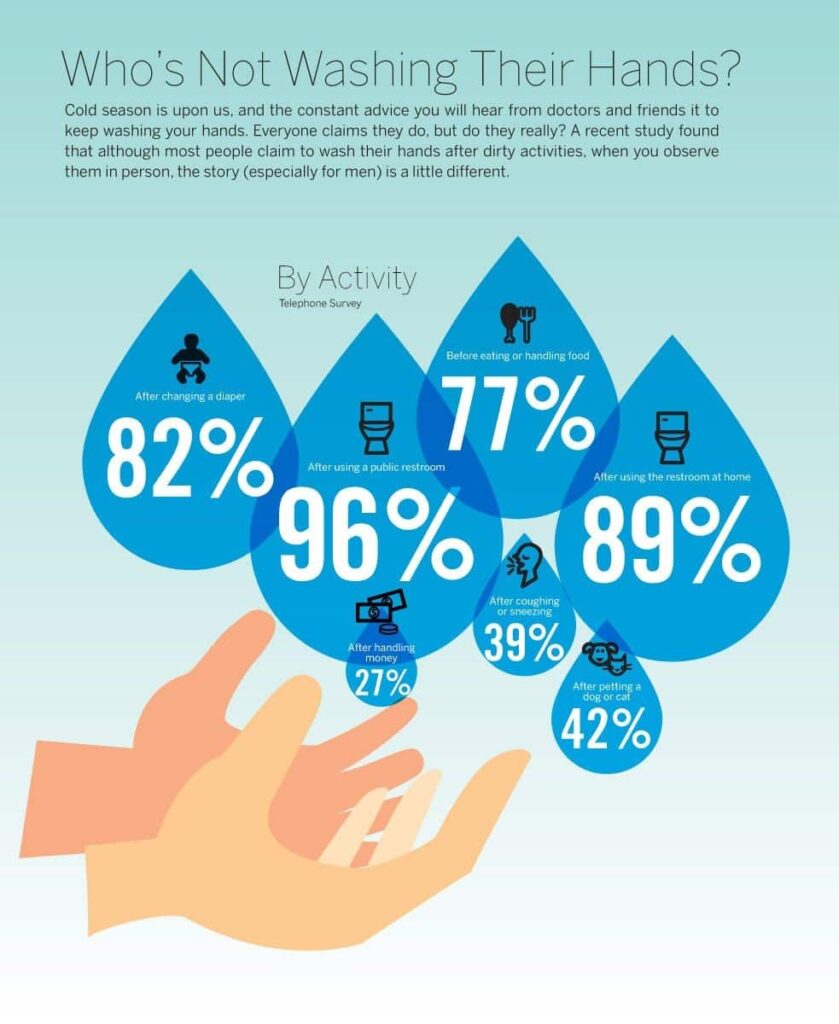
As the image above stipulates, very few people regularly sanitise or wash their hands. This further stresses the need for vigilant and regular cleaning of public areas in the process of fighting infection and eliminating germs and disease. Toilets, door handles, handrails and telephones for example, are few of the many high-contact sites of infection that need to be considered.
5 essential tips for maintaining clean, hygienic public spaces;
Time the cleaning well;
When you maintain a space that is open to the public 24/7 it becomes difficult to find an appropriate time to conduct cleaning routines. You do not want to disturb your patrons and as such, your team must establish a clear sense of the foot traffic in these areas, so you are able to move your cleaning processes to the lean periods of traffic.
Create a Space that cleans itself as much as possible;
Implementing user-friendly, easily accessible hygiene systems around your public space encourages the public to maintain clean environments. For example, having sanitiser dispensers and rubbish bins situated in convenient, accessible points will encourage individuals to throw away rubbish and regularly sanitise themselves, and the space they utilise.
Pay close (extra) attention to problem areas;
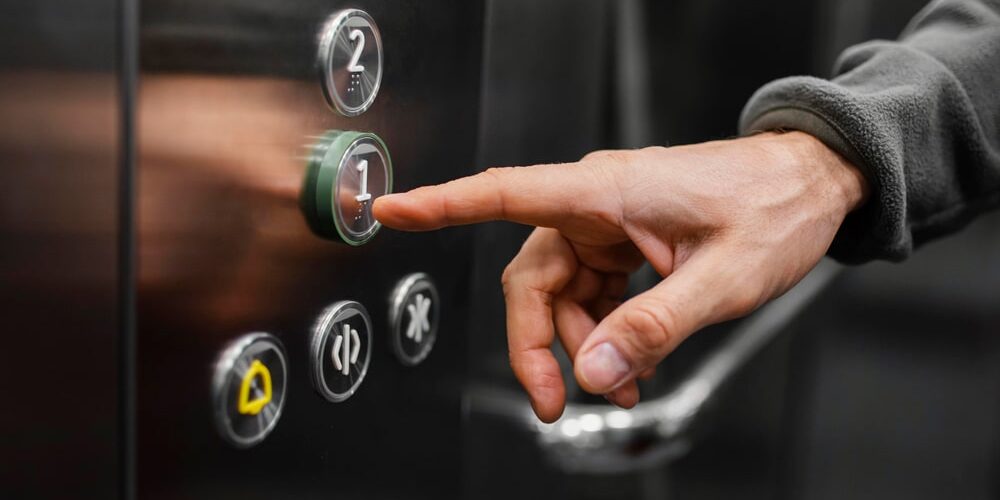
While deep-cleaning and sanitation should be implemented on a regular, scheduled basis, we all know that some areas are exposed more often than others. As mentioned previously, surfaces to the likes of toilet seats, door handles, elevator buttons and escalator rails are considered high-contact surfaces that may pose a greater risk for infection. Paying extra attention, and perhaps cleaning these areas more frequently will decrease rates of bacteria growth and infection.
Keep indoor public areas well ventilated;
As mentioned in one of our previous articles, one of the principal components for increasing the cleanliness of a space is ventilation. Effective ventilation systems (for example air-conditioning or open windows) may aid in keeping bacteria, viruses and other pollutants out of the indoor air. We want to be particularly vigilant in this area during the colder autumn and winter seasons as individuals tend to keep indoors closed from the cold.
Encourage cleanliness with visual prompts;
Whilst it is a social expectation to practise good hygiene and clean up after yourself, people often take public cleanliness for granted, and forget to implement sanitation practises in these areas. Having visual posters, banners and signs and symbols scattered across the space will remind, and encourage people to continue their sanitation practises in your space.